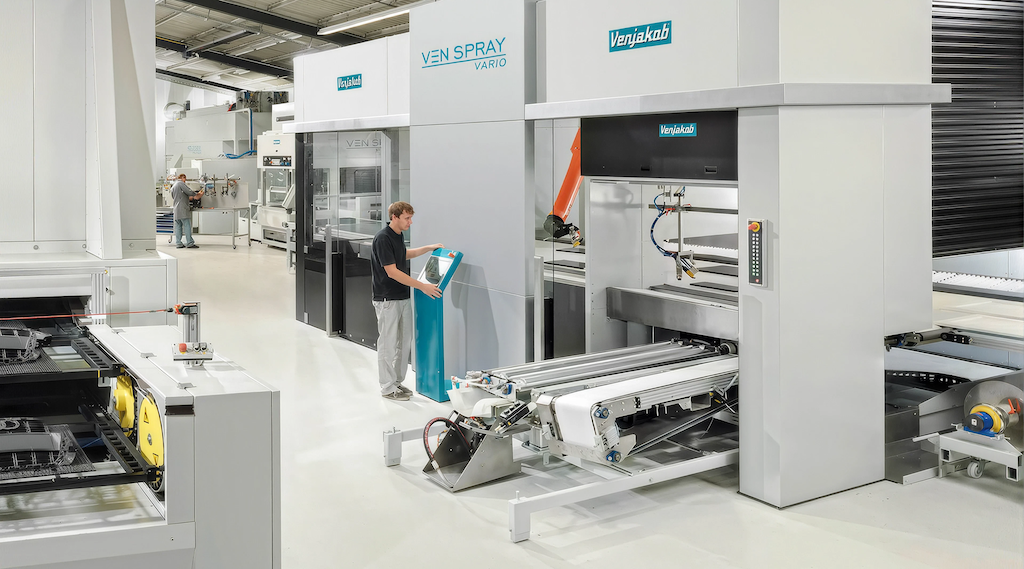
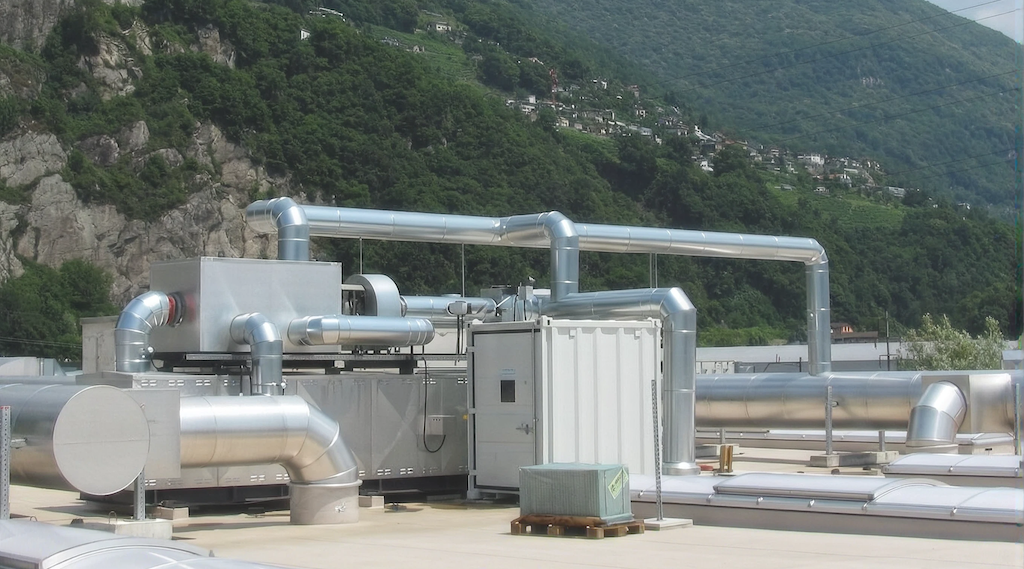
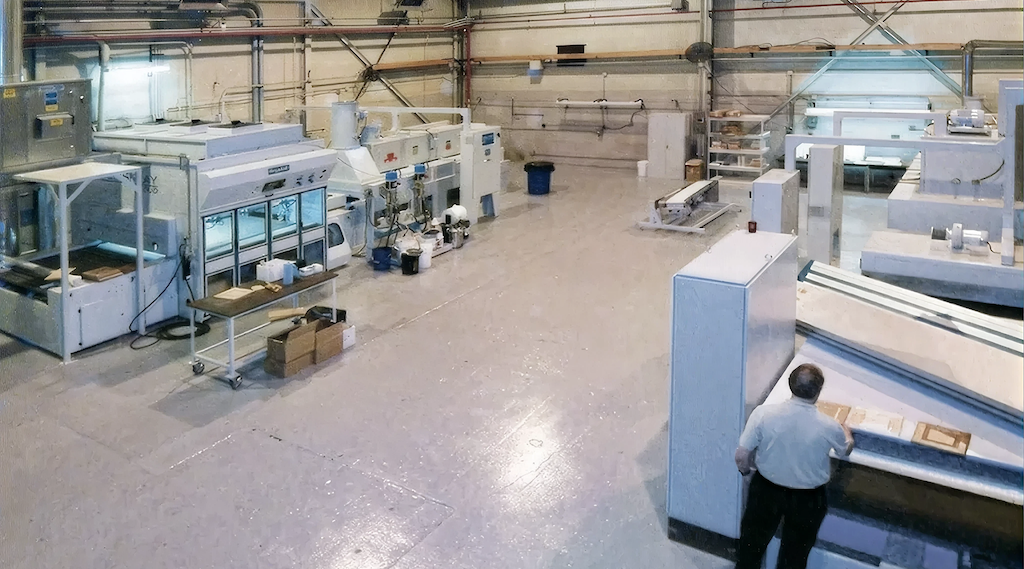
Catalytic incineration is particularly advantageous when the VOC composition is known and relatively constant, no critical catalyst poisons are present, and oxidation can take place at a lower…
Catalytic incineration (KNV)
Typical Application Small to medium exhaust air streams with uniform load Temperature / Technology 250–350 °C thanks to the catalyst Energy Efficiency High Special…
Thermal incineration (TNV)
Typical Application Highly fluctuating or high VOC loads, exhaust air containing particulates Temperature / Technology > 750 °C, robust thermal process Energy…
Regenerative Thermal Oxidation (RTO)
Typical Application Large exhaust air flow rates with low to medium VOC concentrations Temperature / Technology > 800 °C, ceramic heat storage elements…
Catalytic incineration is suitable for well-defined VOC exhaust air streams in which the constituents, concentrations, and temperature ranges can be reliably assessed. It is precisely this…
After-combustion processes reliably oxidize VOCs into CO₂ and water. Depending on the exhaust air stream(s), load, and energy requirements, three established processes are used. The following…