
KNV Systems for VOC Exhaust Air Streams Suitable for Catalytic Conversion
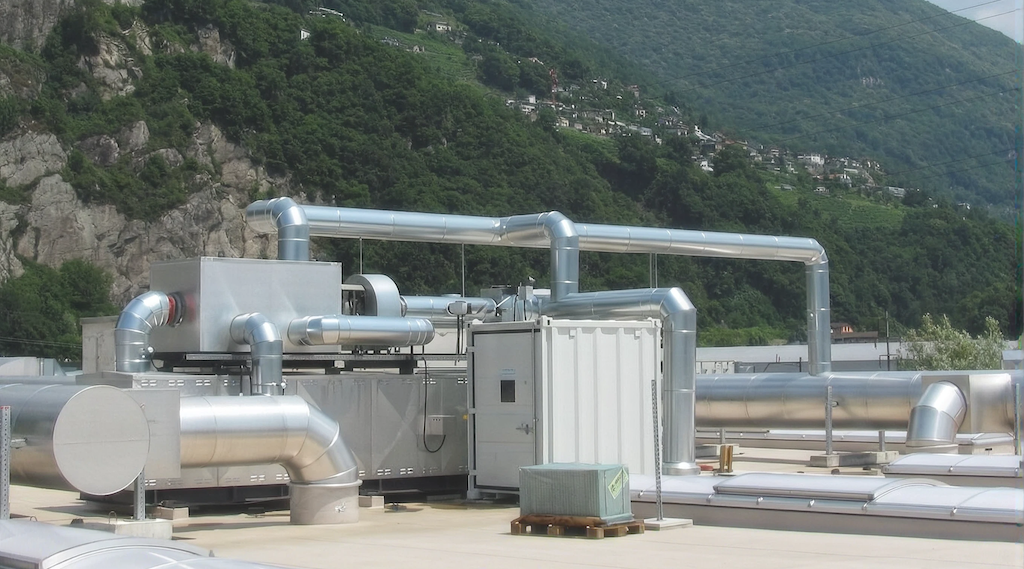
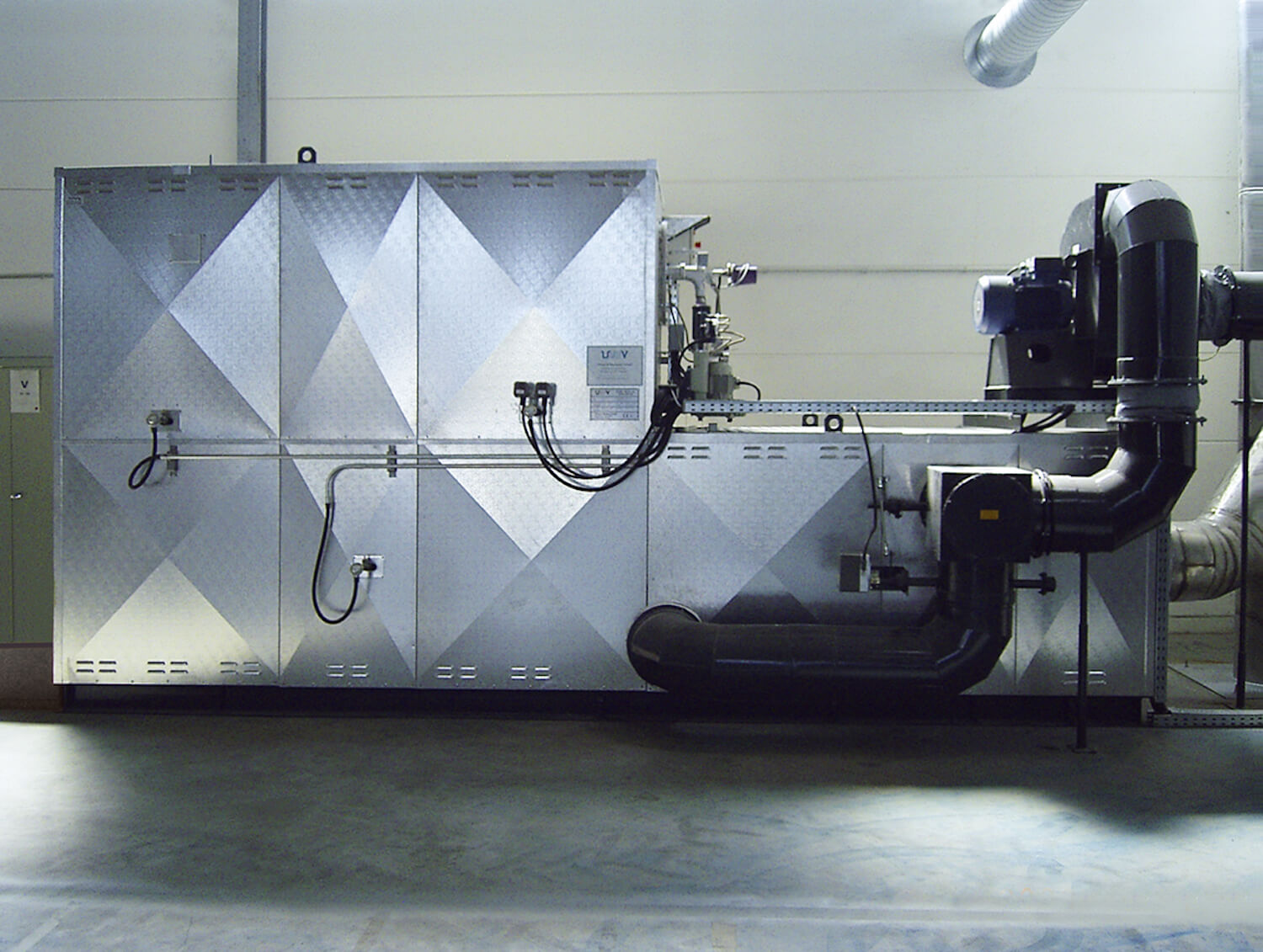
VEN CLEANAIR KNV systems are designed with the catalyst as the central component. To achieve this, flow distribution, preheating, temperature monitoring, bypass or protective functions, and future access to the catalyst module must all be carefully integrated into the design. The result is a system in which not only does the reaction work, but operation, monitoring, and service are also technically ensured.
- Flow distribution across the catalyst bed
- Temperature monitoring and protective functions can be integrated
- Catalyst modules accessible for maintenance and replacement



Which VEN CLEANAIR KNV is right for your process?
When selecting a KNV system, the first consideration is the suitability of the exhaust air stream(s). In addition to volume flow and VOC load, the key factors are the constituents, catalyst compatibility, and temperature range. Depending on the model, typical KNV systems range from approximately 1,000 to 18,000 Nm³/h.
Volume Flow and Process Stability
KNV systems are suitable for defined exhaust air streams with predictable operating conditions. Depending on the unit size, volume flow volumes ranging from approximately 1,000 to 18,000 Nm³/h can be accommodated. However, the selection process depends not only on the volume flow volume but also on how stable the concentration, temperature, and composition remain during operation.
Temperature window on the catalytic converter
The catalyst enables oxidation at lower temperatures than those required for purely thermal incineration processes. Typical reaction temperatures often range from about 250 to 450 °C, depending on the VOC composition, catalyst type, and purification target. The system must reliably maintain this temperature range.
Catalyst Compatibility of the Exhaust Gas
The exhaust gas must be suitable for the catalyst. Critical components such as silicones, halogens, sulfur compounds, dust, or aerosols can impair the catalyst’s activity and service life. Therefore, evaluating the constituents of exhaust gases is a key part of the design process for KNV systems.
Service Life, Inspection, and Service
Catalyst modules, measurement points, and relevant assemblies must remain accessible for inspection, maintenance, or replacement. Service life depends heavily on the composition of the exhaust gas, temperature control, and process stability. A good service plan ensures that the catalyst is not only addressed when a malfunction occurs.
Catalytic incineration is particularly advantageous when the VOC composition is known and relatively constant, no critical catalyst poisons are present, and oxidation can take place at a lower temperature than with purely thermal incineration. In such cases, catalytic afterburning can be an energy-efficient alternative.
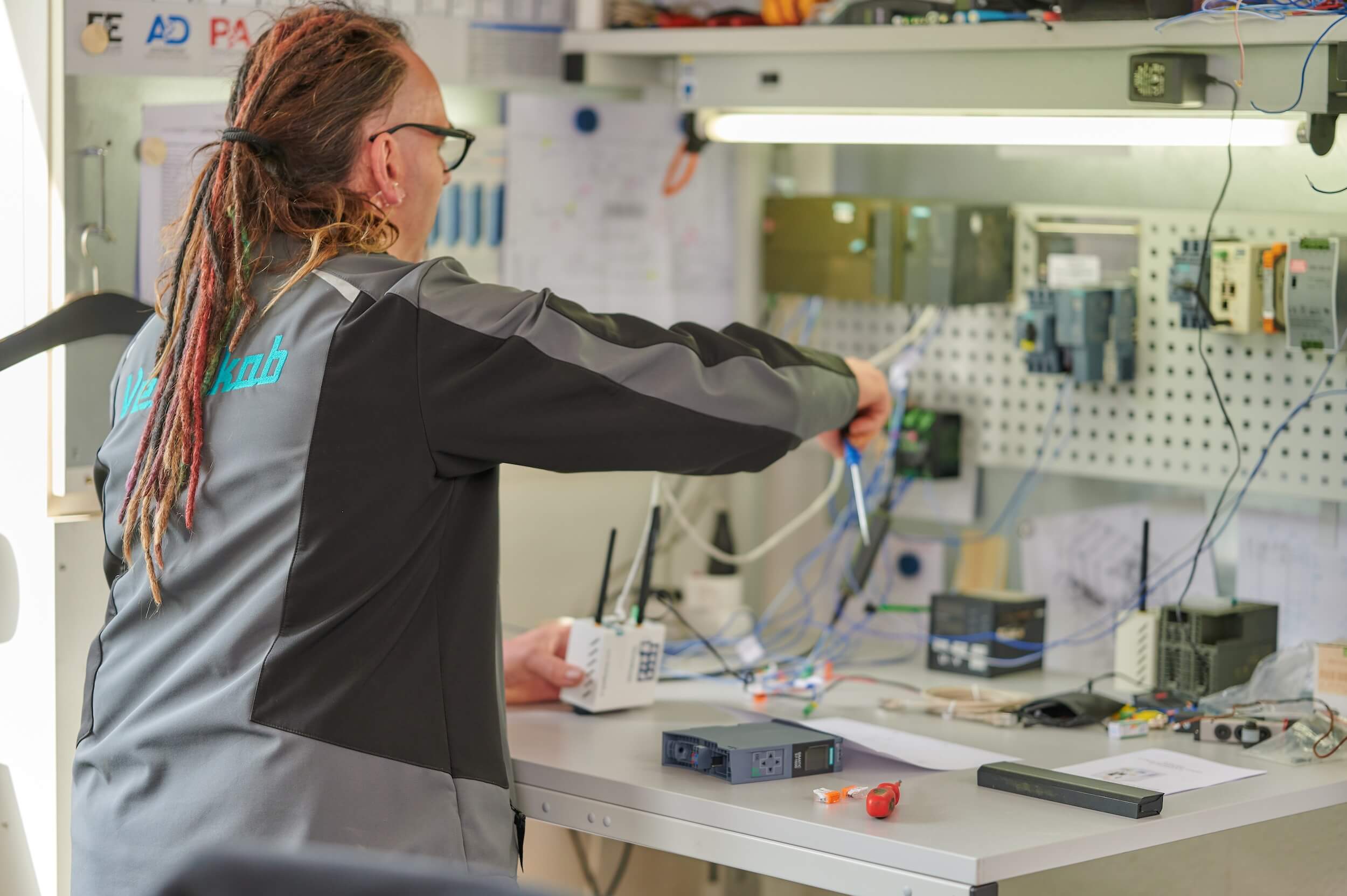
Expert Service for Your Exhaust Air Purification System
An exhaust air purification system is only as good as the service behind it. Venjakob Umwelttechnik supports you from the initial consultation through commissioning to ongoing operation—with fast response times, knowledgeable contacts, and customized services. So your system reliably delivers what it’s designed to: clean air, day after day.
Explore the service