VOC Oxidation at Lower Reaction Temperatures

Catalytic incineration

explore product family

If the exhaust air stream is compatible with the catalyst

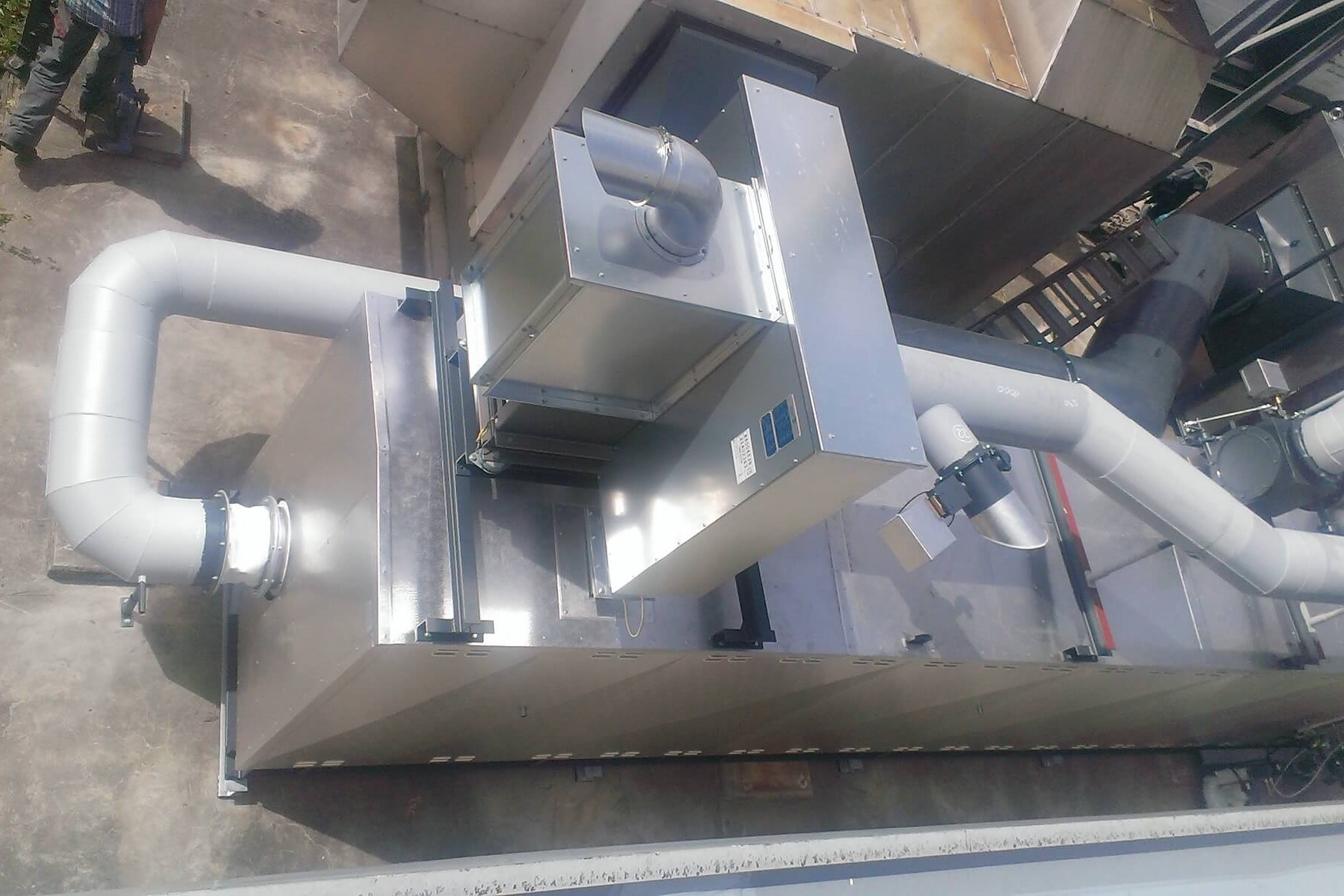
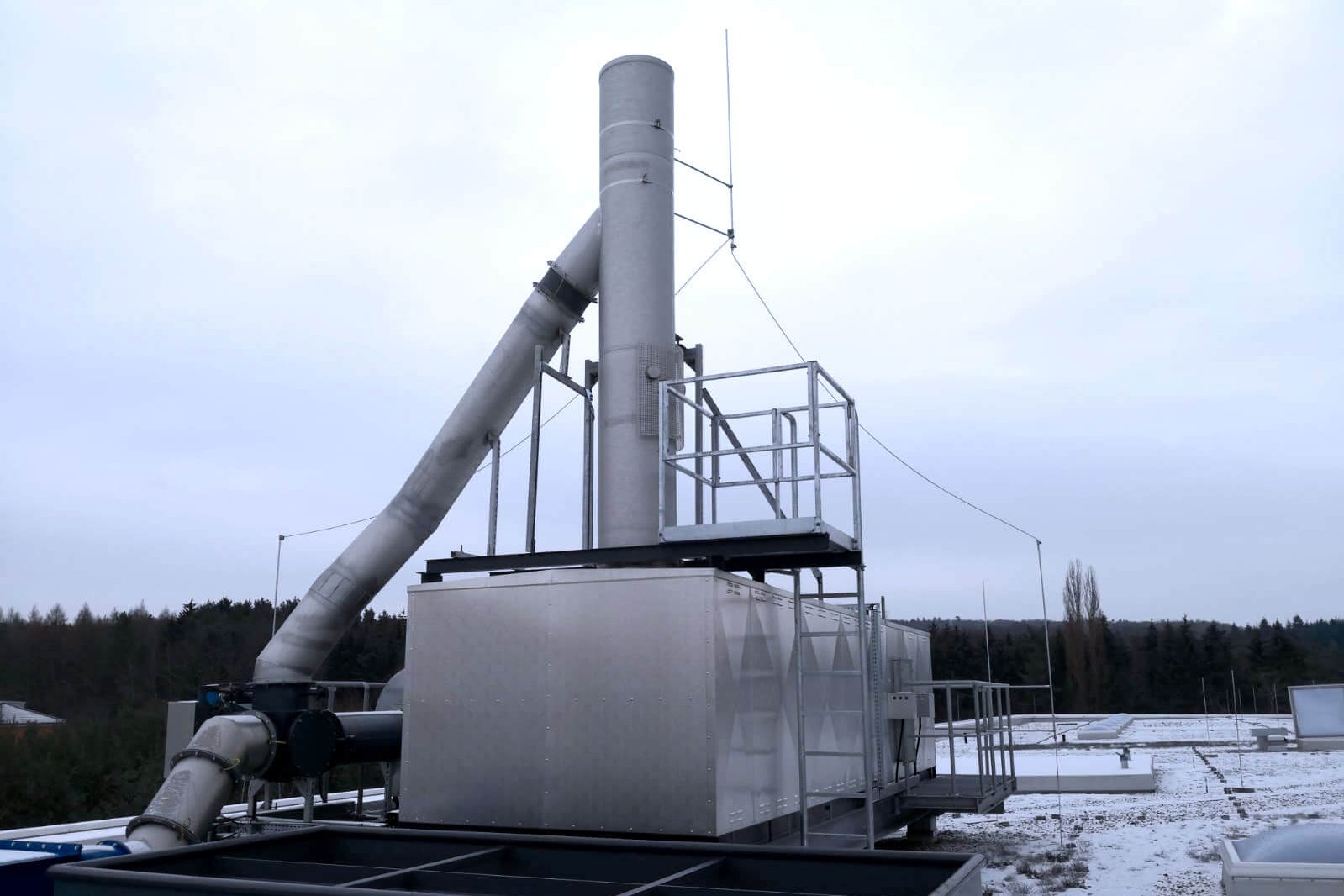
Catalytic incineration is an option if the composition of the VOC-laden exhaust air is known, stable, and suitable for the catalyst. The catalyst lowers the required reaction temperature, thereby enabling exhaust air purification with lower energy consumption than with purely thermal oxidation. Compared to thermal incineration, catalytic incineration is more dependent on the chemical suitability of the exhaust air stream(s); compared to Regenerative thermal incineration, the focus is less on heat storage and more on the catalytic reaction. A thorough analysis of the components is crucial: pollutant load, temperature range, and potential catalyst poisons determine whether the processes can be applied in a technically viable manner.

Get advice now

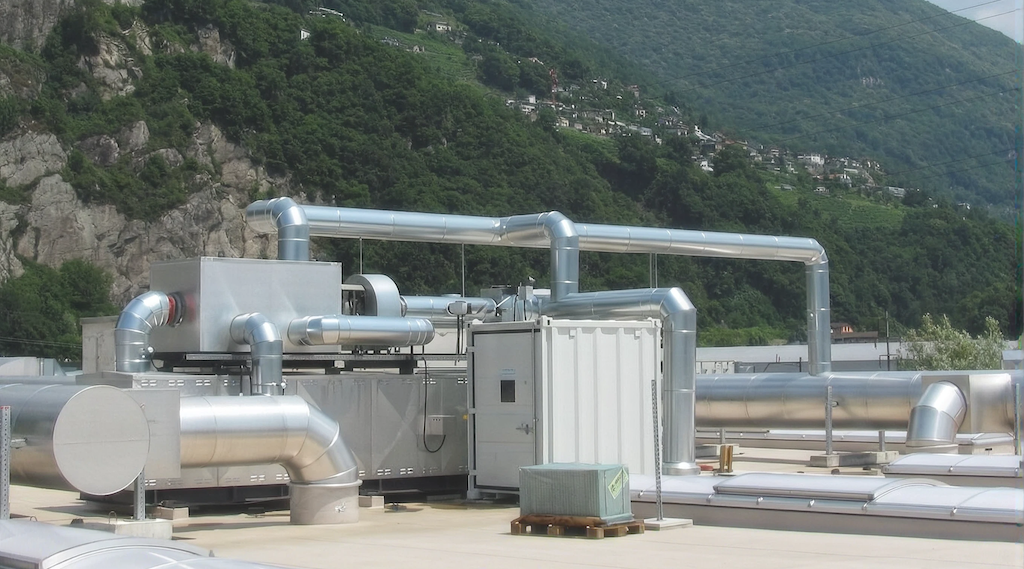
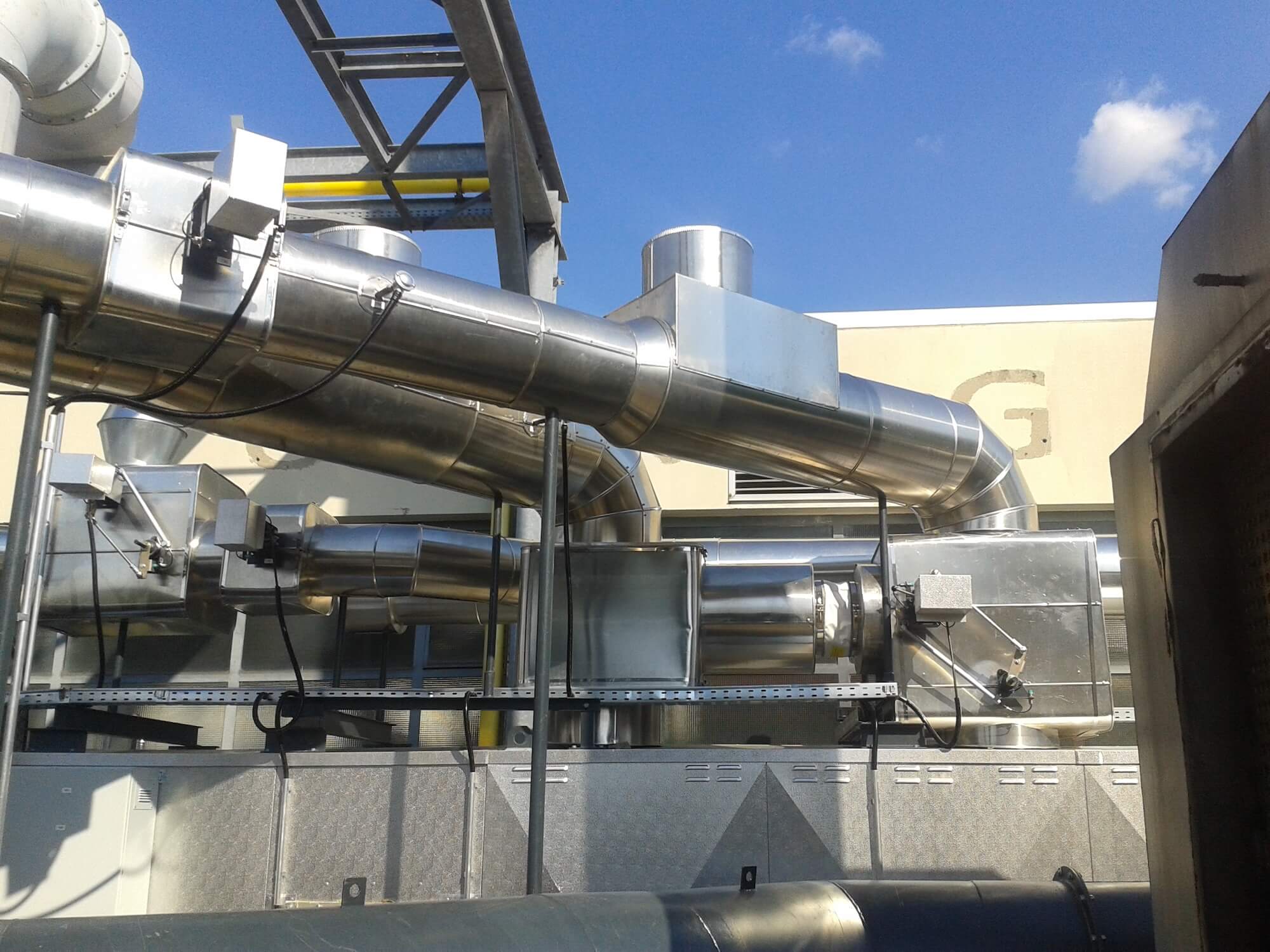
VEN CLEANAIR KNV Catalytic Incineration Systems

Catalyst, Process Air, and System Control Working in Tandem

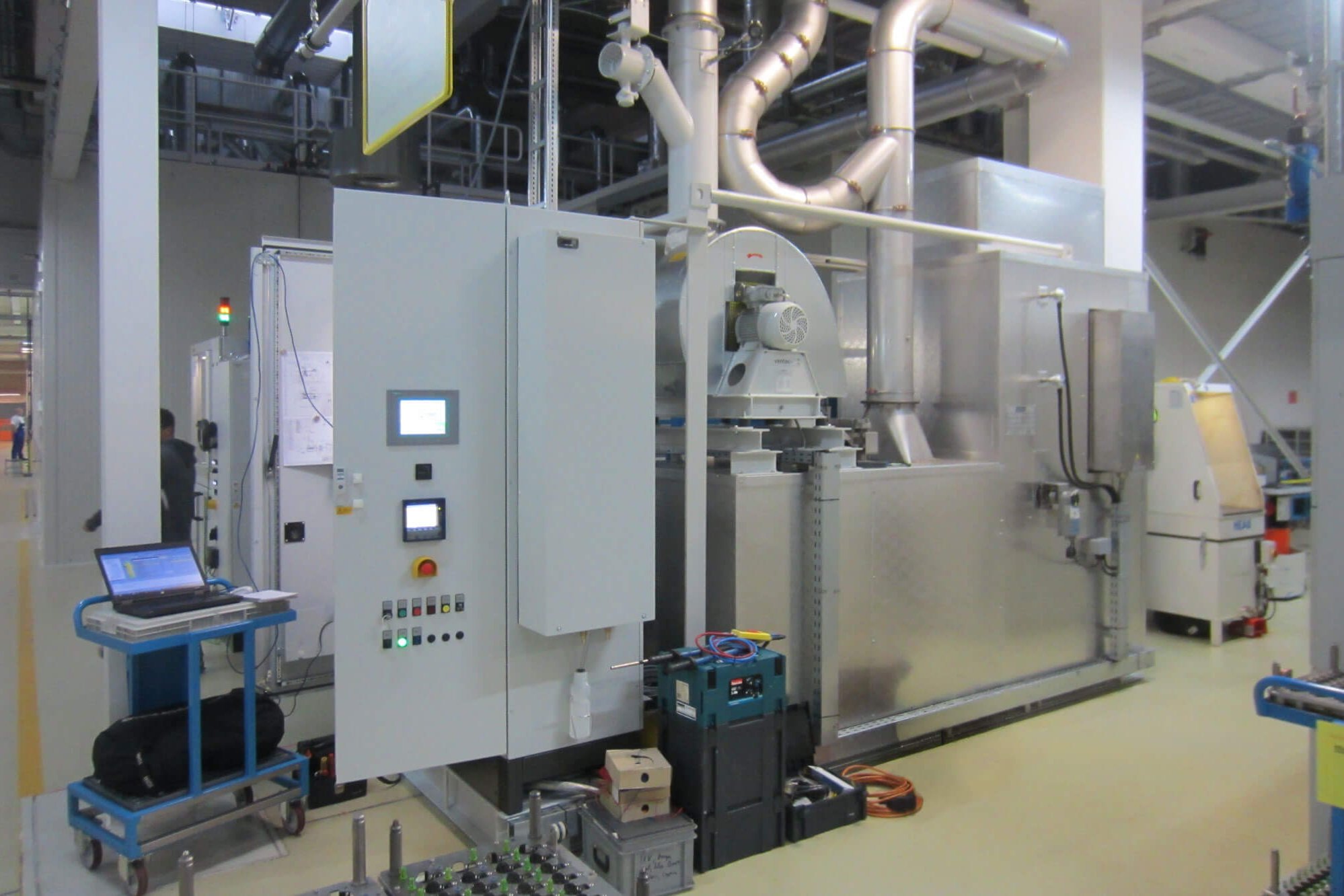
VEN CLEANAIR KNV systems are designed specifically for the given exhaust air stream(s). This includes catalyst selection, preheating, airflow management, temperature monitoring, and protection of the catalyst during operation. Thus, the focus is not only on the reaction itself, but also on ensuring that the catalyst can operate continuously under suitable conditions.

Explore VEN CLEANAIR TNV
venjakob-arrow-left
venjakob-arrow-right
venjakob-arrow-left
venjakob-arrow-right

The Benefits of Catalytic Incineration

Catalytic incineration is suitable for well-defined VOC exhaust air streams in which the constituents, concentrations, and temperature ranges can be reliably assessed. It is precisely this suitability assessment that determines whether catalytic incineration is technically and energetically feasible.

venjakob-arrow-left
venjakob-arrow-right
Lower reaction temperatures

The catalytic converter enables the oxidation of organic compounds at a lower temperature than that required for purely thermal incineration processes.

Design specifically tailored to the exhaust air stream(s)

The KNV is not sized on a one-size-fits-all basis, but is tailored to the VOC composition, concentration, temperature range, and process stability.

Lower energy consumption under the right conditions

If the exhaust air stream(s) is compatible with the catalytic converter, the KNV can significantly reduce energy consumption during operation.

Early Assessment of Critical Ingredients

Catalyst poisons or interfering components are tested even before the design phase to ensure service life and operational reliability.

Stable operation with defined processes

When the exhaust gas composition is uniform and operating conditions are constant, the KNV operates in a controlled manner within the specified reaction window.

Supplementary Exhaust Air Purification Processes

Exhaust air systems can be enhanced through adsorption, concentration, and energy recovery. These supplementary processes improve efficiency in certain exhaust air situations and support energy-optimized system operation.

Adsorption and Concentration

Zeolite rotors are used for concentration; they adsorb VOCs from large, low-concentration exhaust air streams. The concentrated exhaust air is then thermally oxidized, which reduces the energy requirements of the main process and improves system efficiency.

Energy Recovery in Exhaust Air Systems

Thermal energy can be recovered from purified exhaust air using heat exchangers or regenerative storage systems. This heat can be used in dryers, for process air, or for heating the facility, significantly reducing overall energy consumption.

An Overview of the Incineration Processes

After-combustion processes reliably oxidize VOCs into CO₂ and water. Depending on the exhaust air stream(s), load, and energy requirements, three established processes are used. The following overview helps simplify the selection process for applications such as coating, drying, and adhesive application.

venjakob-arrow-left
venjakob-arrow-right

Catalytic incineration (KNV)

Typical Application
Small to medium exhaust air streams with uniform load
Temperature / Technology
250–350 °C thanks to the catalyst
Energy Efficiency
High
Special Features
Compact design, economical with stable VOC levels
Performance range
approx. 500–20,000 Nm³/h

Get advice now

Thermal incineration (TNV)

Typical Application
Highly fluctuating or high VOC loads, exhaust air containing particulates
Temperature / Technology
> 750 °C, robust thermal process
Energy Efficiency
Moderate
Special Features
Highly tolerant of cyclic loading and particles
Performance range
approx. 800–32,000 Nm³/h

Explore more

Regenerative Thermal Oxidation (RTO)

Typical Application
Large exhaust air flow rates with low to medium VOC concentrations
Temperature / Technology
> 800 °C, ceramic heat storage elements
Energy Efficiency
Very high (autothermal operation possible)
Special Features
Maximum heat recovery, low operating costs
Capacity range
approx. 1,000–70,000 Nm³/h

Explore more

We’d be happy to advise you

Would you like to explore our systems, processes, or solutions—or do you already have a specific project in mind? Our representatives are here to assist you with expert advice, technical expertise, and years of experience.

Christian Hoyme

Projects & Sales

Telephone: +49 5066 9806-0
E-mail: ed.tu-bokajnev@egarfna

Cord Brönneke

Projects & Sales

Telephone: +49 5066 9806-0
E-mail: ed.tu-bokajnev@egarfna

I hereby accept the privacy policy of Venjakob Maschinenbau GmbH & Co. KG.*

My personal data will be stored and used by Venjakob Maschinenbau GmbH & Co. KG to process my inquiry and will be shared with the relevant staff members.

Language

Select your language with a click.