Energy-efficient exhaust air purification with an efficiency of up to 97%

Regenerative thermal incineration

explore product family

Efficient Treatment of VOC-Contaminated Process Exhaust Air

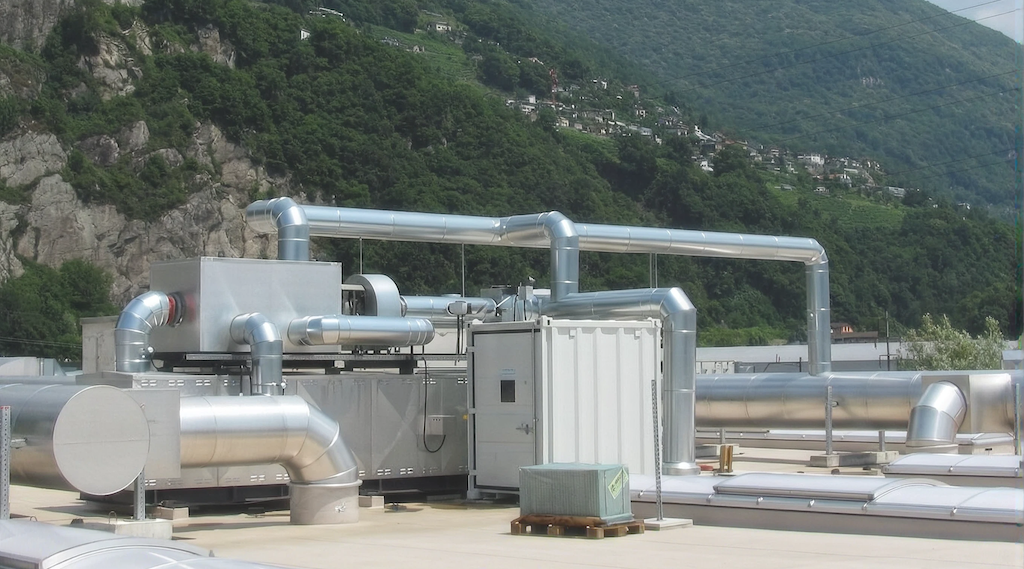
Regenerative exhaust air purification is one of the most sought-after processes for purifying VOC-contaminated process exhaust air in industrial applications. In addition to thermal and catalytic exhaust air purification, it is gaining particular attention in applications where VOC emissions must be reliably reduced while simultaneously maximizing energy efficiency. It is used wherever volatile organic compounds, solvents, or odorous components must be safely removed from the exhaust air.

Venjakob Umwelttechnik develops system solutions designed for high purification performance, reliable compliance with legal emission limits, low operating costs, and sustainable treatment of industrial exhaust air streams. The systems are individually tailored to production processes, exhaust air volumes, and pollutant concentrations.

Get a consultation now

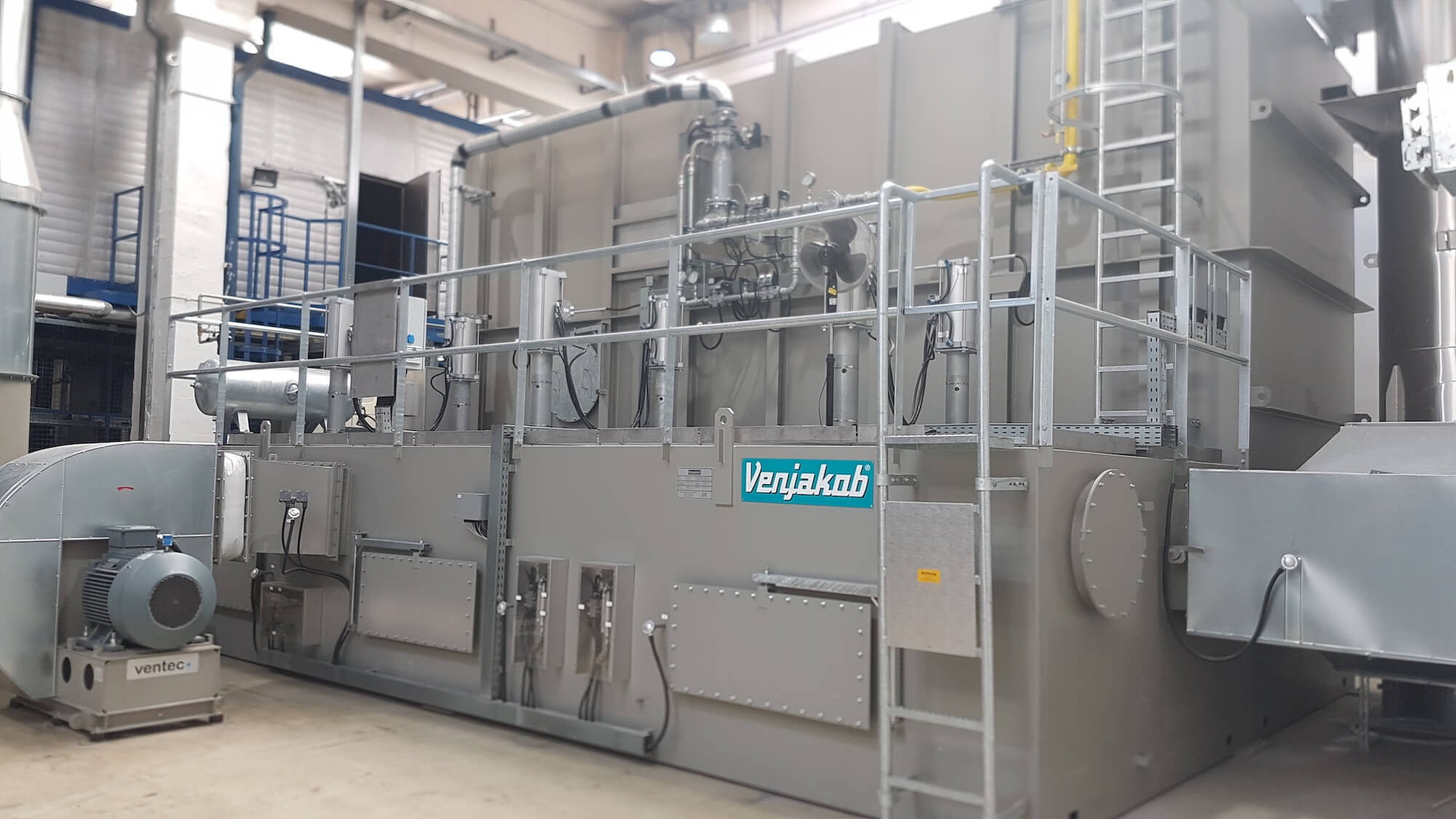
VEN CLEANAIR RTO Regenerative Incineration Systems

RTO Systems for Stable and Reliable Process Integration

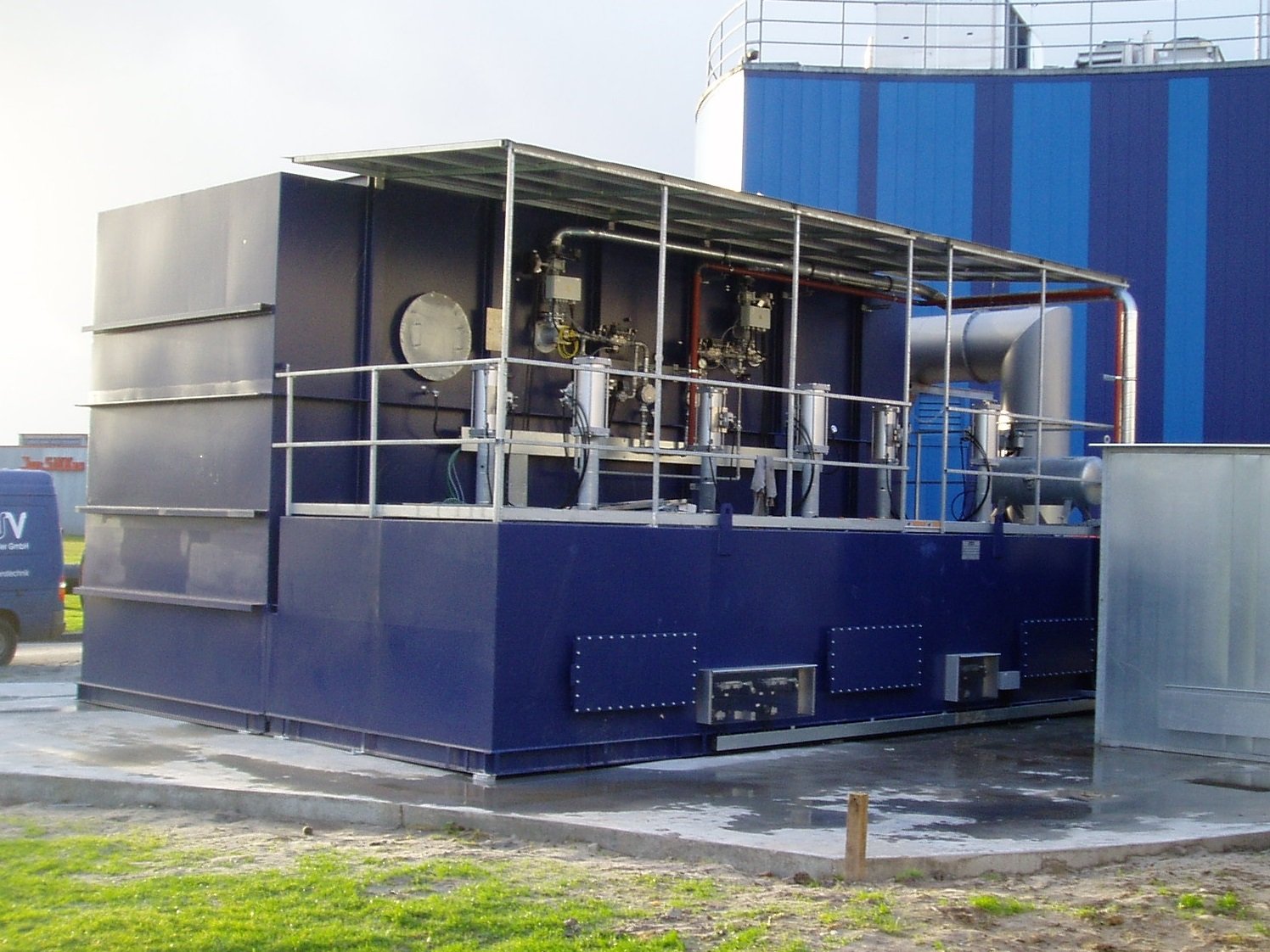
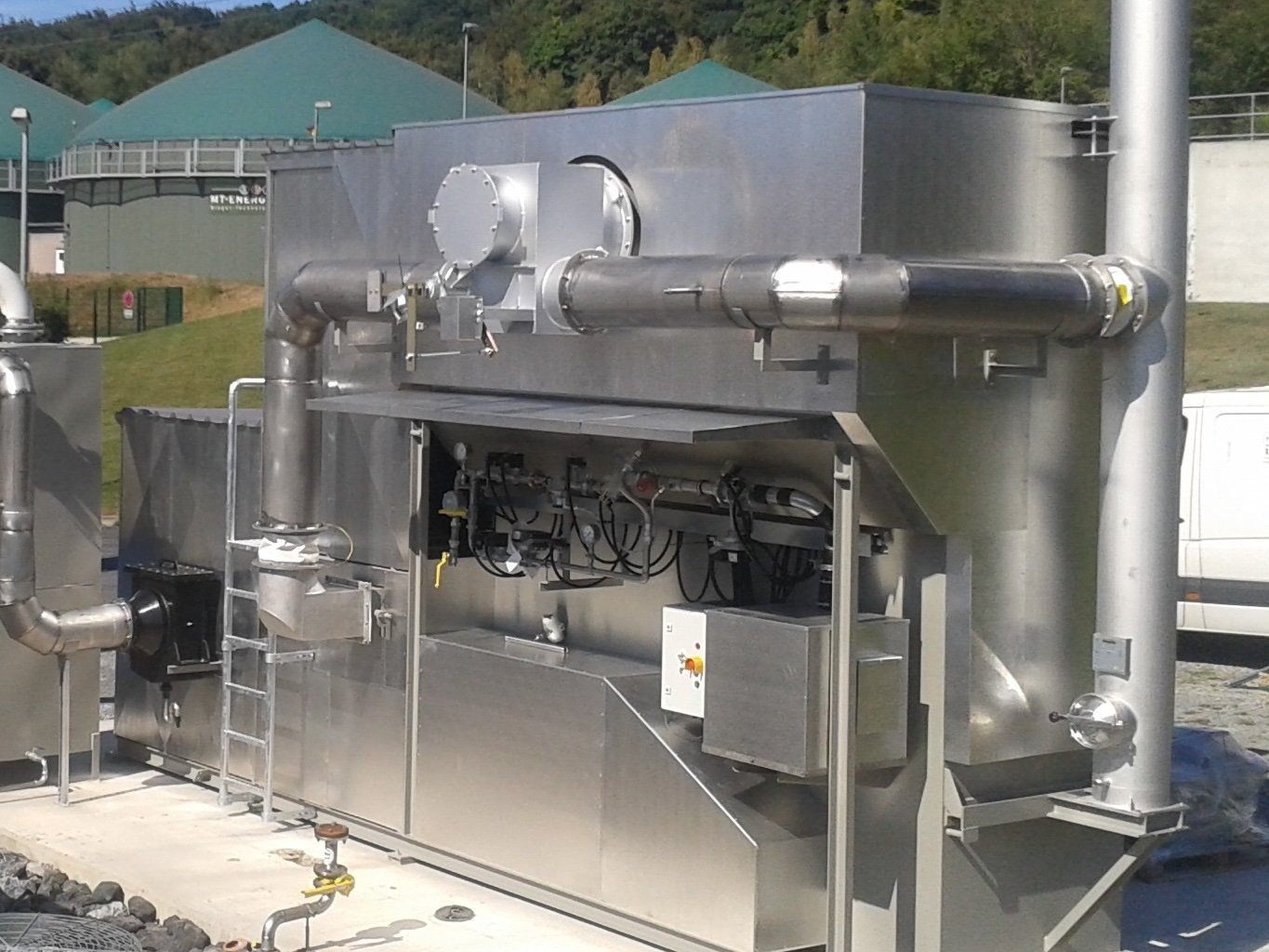
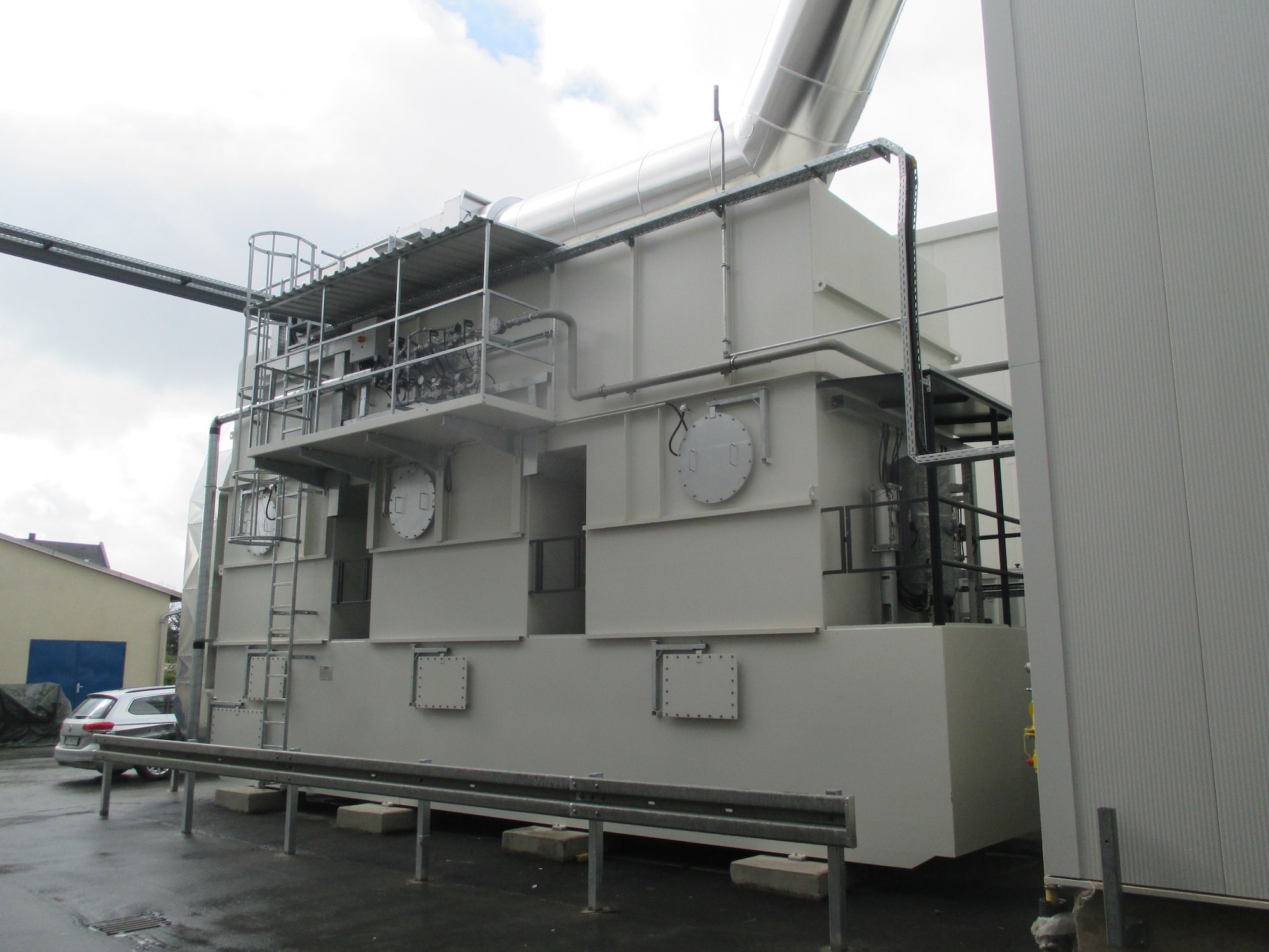
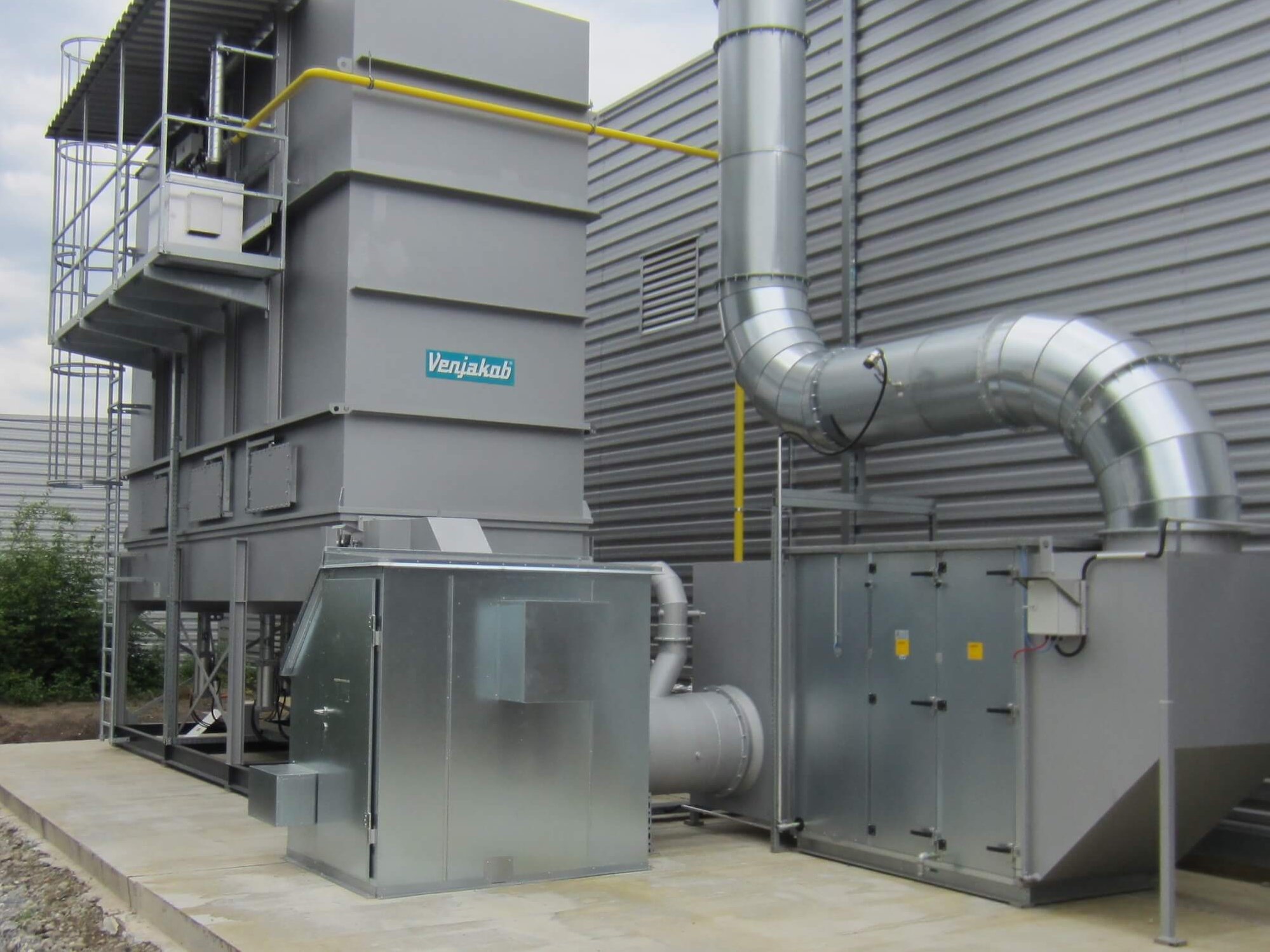
At VEN CLEANAIR RTO, the focus is on technical design: ceramic heat storage elements, controlled flow guidance, and a switching concept tailored to the production process ensure stable purification operation. Exhaust air volume, VOC concentration, solvent composition, and production operating mode determine the specific system configuration. The result is not a one-size-fits-all solution, but an RTO system that is reliably integrated into the respective production process with regard to process safety/reliability.

Explore VEN CLEANAIR RTO
venjakob-arrow-left
venjakob-arrow-right
venjakob-arrow-left
venjakob-arrow-right

The Benefits of Regenerative Thermal Incineration

Regenerative thermal incineration uses ceramic storage media to recover heat from the purified gas and preheat the incoming exhaust air stream(s). This makes the process particularly suitable for VOC-laden processes where the goal is to minimize additional energy consumption.

venjakob-arrow-left
venjakob-arrow-right
High Heat Recovery

Ceramic heat storage media transfer heat from the purified gas to the incoming exhaust air.

Low additional energy requirement

If the VOC load is sufficient, the system can operate largely without additional energy input.

Suitable for high volume flows

The processes are specifically designed for continuous exhaust air streams with low to moderate VOC concentrations.

Process safety/reliability for switching

Multi-chamber systems and optimized valve technology ensure stable flow control during continuous operation.

Supplementary Exhaust Air Purification Processes

Exhaust air systems can be enhanced through adsorption, concentration, and energy recovery. These supplementary processes improve efficiency in certain exhaust air situations and support energy-optimized system operation.

Adsorption and Concentration

Zeolite rotors are used for concentration; they adsorb VOCs from large, low-concentration exhaust air streams. The concentrated exhaust air is then thermally oxidized, which reduces the energy requirements of the main process and improves system efficiency.

Energy Recovery in Exhaust Air Systems

Thermal energy can be recovered from purified exhaust air using heat exchangers or regenerative storage systems. This heat can be used in dryers, for process air, or for heating the facility, significantly reducing overall energy consumption.

An Overview of the Incineration Processes

After-combustion processes reliably oxidize VOCs into CO₂ and water. Depending on the exhaust air stream(s), load, and energy requirements, three established processes are used. The following overview helps simplify the selection process for applications such as coating, drying, and adhesive application.

venjakob-arrow-left
venjakob-arrow-right

Regenerative Thermal Oxidation (RTO)

Typical Application
Large exhaust air flow rates with low to medium VOC concentrations
Temperature / Technology
> 800 °C, ceramic heat storage elements
Energy Efficiency
Very high (autothermal operation possible)
Special Features
Maximum heat recovery, low operating costs
Capacity range
approx. 1,000–70,000 Nm³/h


Get advice now

Thermal incineration (TNV)

Typical Application
Highly fluctuating or high VOC loads, exhaust air containing particulates
Temperature / Technology
> 750 °C, robust thermal process
Energy Efficiency
Moderate
Special Features
Highly tolerant of cyclic loading and particles
Performance range
approx. 800–32,000 Nm³/h

Explore more

Catalytic incineration (KNV)

Typical Application
Small to medium exhaust air streams with uniform load
Temperature / Technology
250–350 °C thanks to the catalyst
Energy Efficiency
High
Special Features
Compact design, economical with stable VOC levels
Performance range
approx. 500–20,000 Nm³/h

Explore more

We’d be happy to advise you

Would you like to explore our systems, processes, or solutions—or do you already have a specific project in mind? Our representatives are here to assist you with expert advice, technical expertise, and years of experience.

Cord Brönneke

Projects & Sales

Telephone: +49 5066 9806-0
E-mail: ed.tu-bokajnev@egarfna

Christian Hoyme

Projects & Sales

Telephone: +49 5066 9806-0
E-mail: ed.tu-bokajnev@egarfna

I hereby accept the privacy policy of Venjakob Maschinenbau GmbH & Co. KG.*

My personal data will be stored and used by Venjakob Maschinenbau GmbH & Co. KG to process my inquiry and will be shared with the relevant staff members.

Language

Select your language with a click.