After-combustion processes reliably oxidize VOCs into CO₂ and water. Depending on the exhaust air stream(s), load, and energy requirements, three established processes are used. The following…
Adsorption and Concentration
Zeolite rotors are used for concentration; they adsorb VOCs from large, low-concentration exhaust air streams. The concentrated exhaust air is then thermally…
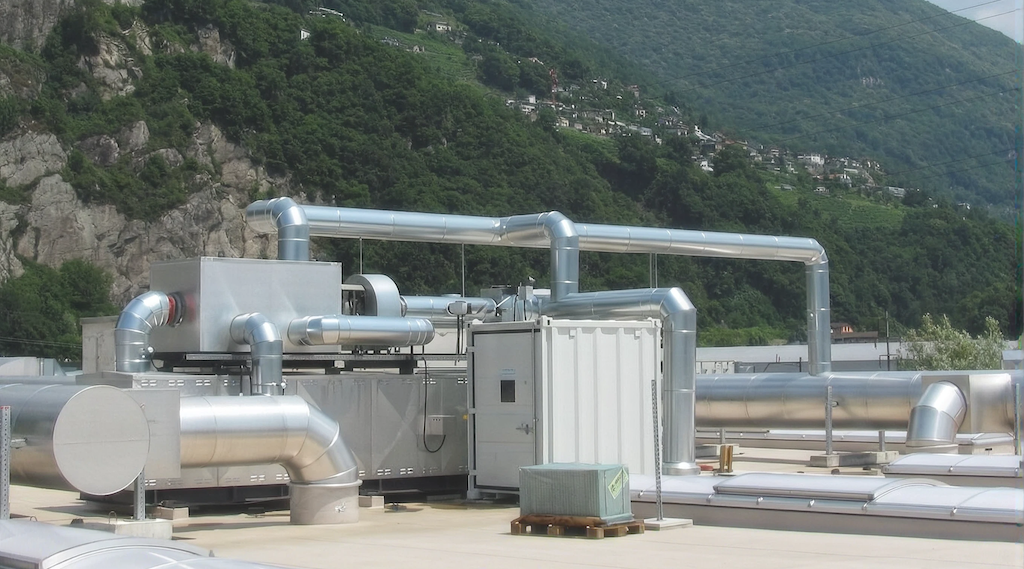
The unit size depends on the volume of exhaust air to be treated. For smaller processes, compact TNV systems starting at approximately 1,000 Nm³/h are suitable; larger industrial systems can handle…
In thermal incineration processes, organic components are oxidized by high temperatures. Typical operating temperatures often range from about 750 to 850 °C, depending on the composition of the…
Fluctuating VOC concentrations, peak loads, or changing solvents can significantly affect the design of the TNV. Burner capacity, explosion protection, temperature monitoring, and control strategy…
Piping layout, chimney connections, utility supply, maintenance areas, and accessibility often influence the plant design just as much as the process data. Especially in existing plants, the…
In day-to-day production, TNV systems must do one thing above all else: operate reliably, safely, and in a traceable manner, even under demanding exhaust air conditions.